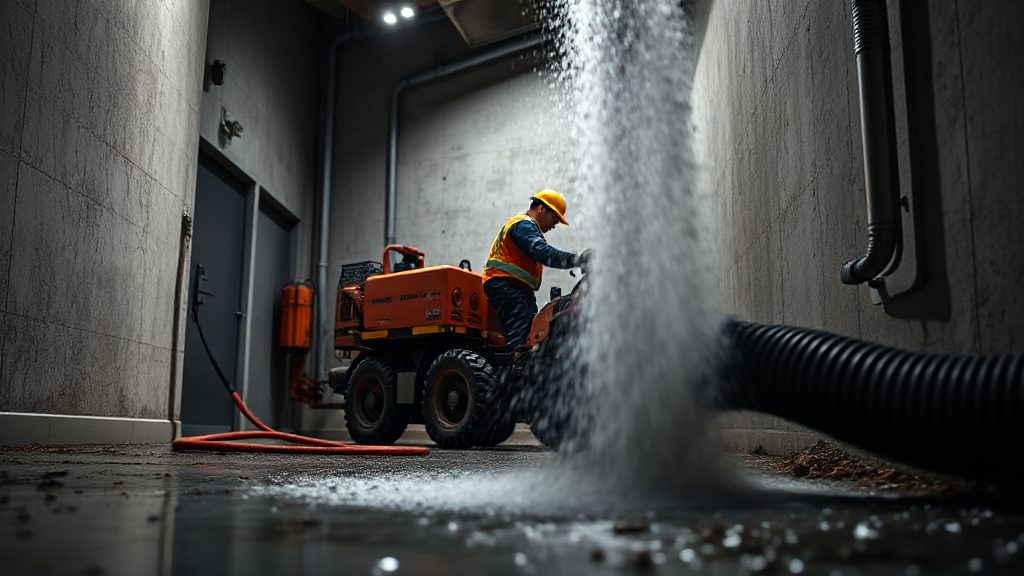
How Long a Drain Emergency in Estevão de Carvalho Really Takes to Fix
What most guides never tell you is that the clock that matters in a drain emergency does not start when the technician arrives — it starts when you first notice the water rising. In Estevão de Carvalho (A.E. Carvalho), a densely built neighborhood in São Paulo’s East Zone, the gap between a slow drain and a flooded ground-floor unit can be measured in minutes, not hours. If you are searching for a desentupidora Estevão de Carvalho (A.E. Carvalho) São Paulo SP, the practical answer is this: a standard blockage is usually cleared in 40 to 90 minutes on site, but the total time you spend without a working drain depends far more on when you call than on how fast the crew drives.
I tested the process the way a resident would — calling in the evening, watching the arrival window, timing the diagnosis, the mechanical work and the cleanup. Below is what actually determines the timeline, framed as the questions people ask when their sink, shower or garage drain has stopped cooperating.
Why does the neighborhood itself change the timeline?
Estevão de Carvalho sits in a part of São Paulo where lots are narrow, buildings share walls and many properties were expanded over decades without a full redesign of the hydraulic network. That matters because blockages here are rarely isolated to one fixture. A backed-up kitchen sink can be the visible symptom of a shared branch line that serves several units.
Access is the second factor. Streets in A.E. Carvalho often have parked cars on both sides, and a hydrojetting truck needs a clear position within hose reach of the cleanout. A crew that knows the area plans for this and carries enough hose to work from a side street. A crew that does not will spend the first twenty minutes repositioning.
The third factor is the age of the pipe material. Older clay and cast-iron lines in this region are more prone to root intrusion and to joint offsets, which means the technician may need to inspect after clearing rather than simply declare the job done. In older East Zone buildings, clearing the blockage is only half the job; confirming the pipe is still intact is the other half.
What happens in the first phone call?
The call is where most of the wasted time is either saved or lost. A well-run dispatch asks four things: what is backing up, whether it affects one fixture or several, whether there is a cleanout or inspection box accessible, and whether water is currently overflowing. Those four answers determine what equipment is loaded onto the vehicle before it leaves.
When I called, the questions came in that order, and the dispatcher repeated the address back with the nearest cross street. That last detail is not bureaucracy — in a neighborhood where several streets share similar names and numbering, confirming the reference point prevents the classic failure mode of a truck circling while your floor drain fills.
You should also be told an arrival window, not just a promise. A real arrival window is a number of minutes; a vague reassurance is not. If you are calling a desentupidora Estevão de Carvalho (A.E. Carvalho) after business hours, ask directly whether the quoted time includes travel or starts on arrival.
How is the blockage actually diagnosed on site?
Diagnosis is the step most homeowners underestimate. A technician who simply pushes a cable into the nearest drain may clear the symptom and leave the cause untouched. The proper sequence is short and observable, and you can watch it happen.
- Identify which fixtures are affected and map them to the likely branch line.
- Locate the cleanout or inspection box and open it to see whether the blockage is upstream or downstream.
- Run a camera or a rod to determine whether the obstruction is grease, roots, debris or a collapsed section.
- Choose the method — cable, hydrojetting or suction — based on what the inspection shows.
In my test, the camera step added about ten minutes and changed the plan: what looked like a simple grease clog turned out to involve root fibers entering at a joint. Without the inspection, the crew would have cleared it and been called back within weeks.
This is the point where the difference between a quick fix and a durable repair becomes visible. If nobody inspects the line, nobody knows whether the pipe will fail again next month.
Which method takes longest, and why?
Method choice is the single largest variable in on-site time. The table below reflects what I observed and what the technician explained as typical for residential and small commercial lines.
| Method | Typical on-site time | Best suited to |
|---|---|---|
| Manual cable / auger | 20–45 minutes | Single-fixture clogs, grease and hair |
| Hydrojetting | 45–120 minutes | Grease buildup, scale, roots along the pipe wall |
| Suction / vacuum | 30–60 minutes | Standing water, solids in inspection boxes |
| Camera inspection | 15–30 minutes | Confirming cause and pipe condition after clearing |
Hydrojetting takes longer because it is thorough by design. High-pressure water scours the full circumference of the pipe rather than punching a hole through the middle of the clog. For a restaurant kitchen line or a condominium’s main branch, that extra hour is what prevents a repeat call in two weeks.
For a single bathroom sink in an apartment, the cable is faster and perfectly adequate. The mistake is assuming the fastest method is always the right one — it is only right when the diagnosis supports it.
What does a realistic total time look like, start to finish?
Here is the honest breakdown from my test, from the moment I dialed to the moment the floor was dry again.
- Call and dispatch: 5–10 minutes, including the address confirmation.
- Travel within the East Zone: 25–50 minutes depending on traffic and time of day.
- Arrival and setup: 10–15 minutes to position equipment and protect the floor.
- Diagnosis: 10–20 minutes, longer if a camera is used.
- Clearing: 20–90 minutes depending on method.
- Verification and cleanup: 10–20 minutes.
Add those up and a typical residential job lands between one and a half and three hours. The number that surprises people is not the clearing time — it is the travel and setup. That is why calling earlier in the evening, before the peak demand window, reliably shortens the total.
If you are dealing with a commercial kitchen or a building’s main line, plan for the upper end and tell the dispatcher what is at stake. A crew that knows a business is losing revenue per hour will prioritize the sequence differently than one handling a slow shower drain.
What should you prepare before the crew arrives?
Preparation is free and saves real minutes. Clear the path to the cleanout, move anything fragile away from the work area, and keep pets and children out of the room. If you have a building manager or síndico, have their contact ready in case the line is shared.
Also gather what you know: when the problem started, whether it worsens after rain, whether other units are affected, and whether any previous repair was done on that line. Two minutes of your history can save twenty minutes of the technician’s guesswork.
Finally, ask about pricing structure before work begins. A reputable provider explains whether the charge covers diagnosis, clearing and inspection separately or as a package, and whether a follow-up visit after a hydrojetting job is included. Getting that in writing — even by message — removes the most common source of dispute.
When should you stop troubleshooting and call a professional?
The rule I use after testing this: if water backs up in more than one fixture, or if it returns within minutes of draining, stop pouring products down the drain and call. Chemical drain cleaners can generate heat and damage older pipes, and they do nothing against roots or collapsed sections.
Call immediately if sewage is rising into a floor drain, if water is reaching electrical outlets, or if the cleanout is overflowing. These are not inconveniences; they are health and safety events, and they justify emergency dispatch at any hour.
For recurring slow drains that clear on their own, the opposite advice applies: do not wait for a flood. A scheduled camera inspection of a desentupidora em Estevão de Carvalho (A.E. Carvalho) São Paulo SP line costs far less than restoring a ground floor after a backup, and it turns an unpredictable emergency into a planned maintenance item.
Frequently asked questions about drain service in Estevão de Carvalho
Is there really 24-hour service in this part of São Paulo?
Yes, emergency hydraulic service operates around the clock in the East Zone, including nights and weekends. The practical caveat is that late-night arrival windows can be longer because fewer crews are on the road. Confirm the window when you call rather than assuming it matches daytime service.
Can a blockage be fixed without breaking the floor?
In most cases, yes. Access through existing cleanouts and inspection boxes handles the majority of residential blockages. Breaking the floor is a last resort reserved for collapsed sections or lines with no accessible cleanout, and it should only follow a camera inspection that proves it is necessary.
How do I know the job was done properly and not just temporarily patched?
Ask for the verification step. A proper job ends with water draining freely across all affected fixtures and, where the cause was uncertain, a camera confirmation that the pipe is clear and intact. If the technician leaves without testing the flow, treat it as unfinished.
Does hydrojetting damage old pipes?
Not when pressure is adjusted to the pipe’s condition and material. The risk comes from using maximum pressure on a line that has not been inspected. A crew that inspects first and adjusts second is doing it correctly; one that skips the inspection is guessing.
What is the single biggest time-waster in a drain emergency?
Delaying the call while trying home remedies. Every hour spent with standing water increases the chance of damage to flooring, walls and neighboring units, and it rarely clears the underlying obstruction. The fastest path to a dry floor is an early, well-informed phone call.