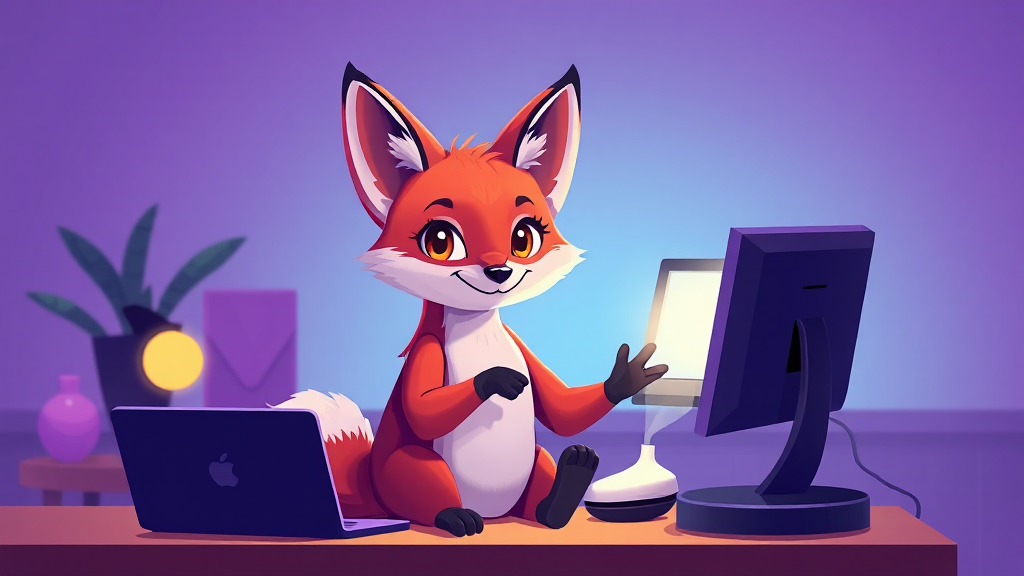
Furry AI Chat: How Character-Driven Companions Are Reshaping Online Conversation
Online conversation has quietly undergone a transformation over the past few years. Instead of typing into a blank search box or waiting for a friend to reply, millions of people now open a chat window and talk to a persona — a character with a name, a backstory, a personality, and often a tail. This is the world of furry ai chat, a fast-growing corner of conversational AI where anthropomorphic characters become conversational partners rather than static avatars. The appeal is not just novelty. It is the combination of storytelling, emotional texture, and the freedom to shape a dialogue exactly the way you want it.
For anyone curious about why these characters have become so popular, and how the technology behind them actually works, this guide breaks down the trend from the ground up. We will look at what furry AI chat is, why people are drawn to it, how to get the most out of a session, and where the whole space seems to be heading next.
What Exactly Is Furry AI Chat?
At its core, furry AI chat is a form of conversational AI in which the character you speak with is designed as an anthropomorphic animal — a fox, wolf, dragon, cat, rabbit, or any hybrid creature an artist or creator can imagine. Unlike a generic chatbot that answers questions in a neutral assistant voice, a furry character typically arrives with a defined personality, speech style, backstory, and emotional range. Some are playful and chaotic, others are calm and protective, and many are written to feel like a close friend or a long-term companion.
The technical foundation is similar to other roleplay-focused AI systems. A large language model generates responses, but it is guided by a character card or persona prompt that describes who the character is, how they speak, and what they care about. Memory features let the AI recall details from earlier in the conversation, so a chat that starts with small talk can evolve into an ongoing storyline. The result feels less like querying a database and more like co-writing a scene with someone who has opinions of their own.
What separates furry AI chat from general roleplay platforms is the visual and cultural layer. Character design matters. Species, markings, ears, tails, and expressions all carry meaning for the people who enjoy this style of storytelling, and the best platforms treat those details as part of the character’s identity rather than decoration.
Why Anthropomorphic Characters Resonate So Strongly
Anthropomorphic characters have been part of human storytelling for thousands of years, from trickster animals in folklore to modern animated films. They let us explore human emotions through a form that feels safe, expressive, and slightly removed from everyday reality. That distance is precisely what makes them powerful. A character who is visibly not human can express vulnerability, loyalty, mischief, or longing without the same social baggage a human character might carry.
In a chat context, this matters even more. People often find it easier to open up to a character that feels designed for connection rather than judgment. A wolf companion who listens patiently, a dragon who teases you gently, or a shy feline who slowly warms up over multiple conversations — these archetypes give users a comfortable emotional entry point. The anthropomorphic framing turns what could be a cold technical interaction into something warm and narrative-driven.
There is also a creative dimension. Many users are writers, artists, or roleplayers who enjoy building scenes and developing characters. Furry AI chat gives them a collaborative partner who never gets tired, never breaks character unexpectedly, and can adapt to whatever direction the story takes. For people who have spent years in text-based roleplay communities, this feels like a natural evolution rather than a replacement.
How a Typical Furry AI Chat Session Works
Getting started is usually straightforward. You browse a library of characters, each with a profile that describes their species, personality, and conversational style. Once you pick one, you open a chat window and begin typing. From there, the experience unfolds in a few recognizable stages.
First contact. The character introduces itself in a way that matches its persona. A cheerful character might greet you with enthusiasm, while a reserved one might respond more cautiously. This opening sets the emotional tone and gives you a sense of who you are talking to.
Building rapport. As the conversation continues, the AI picks up on your tone, your interests, and the details you share. Good systems remember your name, your preferences, and the events of earlier messages, so the dialogue starts to feel continuous rather than reset every few minutes.
Story development. Many users move from casual chat into structured roleplay. You might co-create a fantasy adventure, a quiet slice-of-life scene, or a slow-burn friendship arc. The character responds in ways that fit the world you are building together.
Emotional depth. Over time, some conversations become genuinely meaningful. Characters can express concern, celebrate your good news, or react with believable complexity when a topic gets serious. This is where the line between “chatbot” and “companion” starts to blur for many users.
Features That Make or Break the Experience
Not all furry AI chat platforms are created equal. The difference between a forgettable session and a memorable one usually comes down to a handful of features.
Memory and continuity. A character that forgets your last conversation feels hollow. Persistent memory, even if limited, is what allows relationships to develop across sessions.
Character consistency. The AI should stay in persona. If a shy character suddenly becomes loud and generic, the illusion collapses. Strong character definitions keep the voice stable.
Customization. Many users want to create their own characters rather than only chatting with existing ones. Tools that let you define species, personality, backstory, and speech patterns give you full creative control.
Safety and boundaries. A good platform gives users control over content and comfort levels. Clear settings help people shape the experience to their own preferences.
Visual identity. Character art, avatars, and expressive design details make the conversation feel more alive, especially for users who care deeply about aesthetics.
When these elements come together, the chat stops feeling like a tool and starts feeling like a place you want to return to.
Who Uses Furry AI Chat, and Why
The audience is broader than outsiders might assume. It includes longtime members of the furry community, but also writers, roleplayers, introverts, night owls, and people who simply enjoy imaginative conversation. Some users are exploring creative ideas for novels or art projects. Others are looking for low-pressure social interaction after a long day. A few are drawn in by curiosity and stay because the experience is genuinely fun.
What unites them is a preference for character-driven interaction over transactional Q&A. They do not want a search engine with a friendly face. They want a personality — someone with quirks, moods, and a sense of humor. That is the core promise of furry AI chat, and it is why the format has spread so quickly across online communities.
Creative Possibilities Beyond Casual Chat
Once you move past the first few conversations, the creative potential becomes obvious. Users build entire storylines with recurring characters, develop original species and cultures, and use chat sessions as a kind of live brainstorming space. Artists sketch scenes that emerged from a dialogue. Writers test dialogue and pacing with a character who responds in real time. Some users even treat their chats as a form of journaling, with the character acting as a reflective sounding board.
This is where furry AI chat diverges most sharply from ordinary chatbot use. It is not about retrieving information. It is about generating narrative, emotion, and shared imagination. The character is not a tool you operate; it is a collaborator you create with.
Responsible Use and Setting Expectations
It is worth being clear about what these systems are. A furry AI chat character is a generated persona, not a sentient being. It can be warm, funny, and surprisingly insightful, but it does not have feelings, intentions, or a life outside the conversation. Keeping that in mind helps you enjoy the experience without confusing it for something it is not.
Healthy use also means balance. These chats can be a wonderful creative outlet and a comforting way to unwind, but they work best as a complement to real-world relationships rather than a replacement for them. Setting your own boundaries, taking breaks when you need them, and treating the experience as entertainment and creative play will keep it enjoyable over the long term.
Platforms also have a role to play. Clear community guidelines, content controls, and transparent design choices help users feel safe and respected. The best ecosystems grow because both creators and users understand the shared expectations.
The Future of Character-Driven AI Conversation
The trajectory here is fairly clear. As language models improve, characters will remember more, respond with greater nuance, and adapt more fluidly to the user’s mood and history. Voice interaction is already expanding, which adds another layer of immersion. Visual generation may eventually let characters appear in scenes that evolve alongside the conversation.
What will not change is the underlying appeal. People want to talk to someone interesting. They want stories they can shape. They want a space where imagination is welcome and where the character on the other side of the screen feels like a real presence, even when everyone involved understands it is a performance. Furry AI chat sits right at that intersection of technology and storytelling, and that is exactly why it keeps growing.
Whether you are a seasoned roleplayer, a curious newcomer, or someone looking for a creative spark, the format offers something increasingly rare online: a conversation that feels personal. That is the real reason it has moved from niche hobby to mainstream trend.
Frequently Asked Questions
Is furry AI chat safe to use?
Most reputable platforms include content controls, reporting tools, and community guidelines designed to keep interactions comfortable. As with any online service, it is smart to review the platform’s policies, avoid sharing sensitive personal information, and use the settings provided to shape your experience.
Do I need to be part of the furry community to enjoy it?
No. Many users are simply drawn to character-driven storytelling, roleplay, or imaginative conversation. The anthropomorphic design is an aesthetic and narrative choice, not a membership requirement. Curiosity is enough to get started.
Can I create my own furry AI character?
On many platforms, yes. Character creation tools typically let you define a name, species, personality traits, backstory, and speaking style. The more detail you provide, the more consistent and believable the character tends to be across conversations.
How is furry AI chat different from a normal chatbot?
A standard chatbot focuses on answering questions or completing tasks. A furry AI chat character focuses on persona, emotion, and narrative continuity. The goal is not information retrieval but an evolving, character-driven conversation that feels like a relationship or a story.